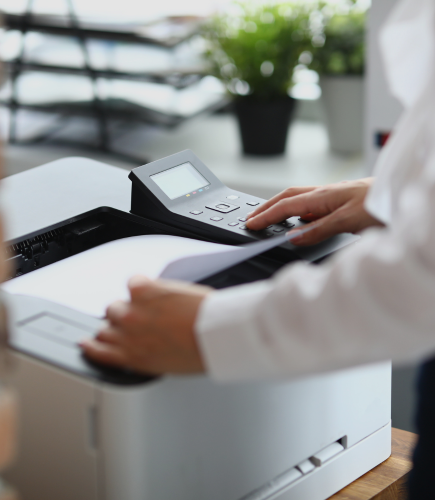



Most of us have done it. The printer flashes its low-ink warning, you pull out the spent cartridge, and without a second thought it goes straight into the kitchen bin along with the coffee grounds and yesterday's junk mail. It feels harmless. It is one small piece of plastic, after all, and there is a fresh printer cartridge waiting to take its place.
The problem is that this small, everyday habit adds up to an enormous environmental cost, and almost none of it needs to happen. Empty ink and toner cartridges are one of the most recyclable items in the modern home and office, yet millions of them are sent to landfill in Australia every year. If you have ever wondered where that little plastic shell actually ends up, and what the better options are, this guide walks you through exactly how to recycle printer cartridges in Australia and why it is worth the small amount of effort.
The True Cost of Binning a Cartridge
A printer cartridge looks simple from the outside, but it is a surprisingly complex piece of engineering. A typical ink cartridge is made from a blend of engineering-grade plastics, along with metal contacts, foam ink reservoirs, tiny electronic chips, and residual ink. A laser toner cartridge is larger and more complex again, containing a metal drum, rollers, gears, and leftover toner powder that is made up of fine plastic particles.
When all of that goes into general waste, it heads to landfill, and this is where the trouble begins. The industrial plastics used in cartridges are designed to be durable and heat resistant, which is excellent while the cartridge is in your printer and far less excellent once it is buried in the ground. Estimates suggest a single cartridge can take anywhere from 450 to 1,000 years to break down. In practical terms, every cartridge ever thrown into landfill is essentially still there.
As those plastics slowly degrade, they can release chemicals into the surrounding soil, and any residual ink or toner adds to the contamination. Toner powder in particular is a very fine particulate that is not something you want leaching into groundwater. Multiply this by the sheer volume of cartridges Australians get through each year and the scale of the waste becomes clear. Around the world, the figure runs into the hundreds of millions of cartridges annually, and a large share of them never see a recycling facility.
There is also the raw material side of the equation. Every brand new cartridge that is manufactured from scratch requires oil to make the plastic, along with energy and water to produce and transport it. When a perfectly reusable cartridge is thrown away, all of that embedded effort is simply discarded, and the cycle starts again with another round of virgin materials. It is a slow, invisible drain on resources that most of us never see.
The Good News: Cartridges Are Built to Be Reused
Here is the part that makes the landfill statistics so frustrating. Printer cartridges are among the easiest consumables to keep out of the waste stream, because they are designed to be either recycled or reused.
There are two better paths for a spent cartridge, and both are far kinder to the environment than the bin.
The first is recycling. When a cartridge is properly recycled, it is broken down into its component materials. The plastics are cleaned and reprocessed, the metals are recovered, and the remaining materials are separated out for appropriate handling. Those reclaimed materials can then be used to manufacture new products, which means less demand for virgin plastic and less waste sitting in the ground.
The second path, and often the better one, is refilling and remanufacturing. Rather than shredding the cartridge, the shell is collected, inspected, thoroughly cleaned, refitted with any worn parts, refilled with fresh ink or toner, and tested before going back into service. A remanufactured cartridge does the same job as a new one, but it reuses the existing body instead of manufacturing a whole new one. This is the most efficient outcome of all, because it keeps the cartridge doing exactly what it was built to do while dramatically cutting the waste and the resource use.
Both options exist right now, they are widely available, and they cost you nothing more than a short detour on your next errand.
How to Recycle Printer Cartridges in Australia
The practical steps are refreshingly simple. You do not need special equipment, and you do not need to disassemble anything. Here is how to recycle printer cartridges in Australia without any fuss.
Start by keeping your empties rather than binning them. Set aside a small box or drawer near your printer and drop each spent cartridge into it as you replace it. Ink and toner cartridges can both be collected this way, and there is no rush to move them along, so you can build up a small batch before you drop them off.
When you handle a used cartridge, try not to tip it upside down or shake it, as there is often a little residual ink or toner inside. Popping it back into its original packaging, or into the box your replacement cartridge came in, keeps things clean and protects the cartridge from damage in case it is suitable for refilling.
Next, find a drop-off point. Cartridge World has more than 120 stores across Australia, and you can bring your empty ink and toner cartridges into a store for recycling. Many stores also offer refilling services, so in some cases your cartridge can be given a second life on the spot rather than simply being processed for materials. If you are not sure whether your nearest store refills cartridges, it is worth checking before you visit so you can choose the right option for your particular cartridge.
For businesses and larger offices that get through a high volume of cartridges, it is worth setting up a dedicated collection point in the office and making it part of the normal routine. A labelled box in the print room, emptied whenever it fills up, is usually all it takes to divert a significant amount of waste away from landfill over the course of a year.
The key point is that the effort required is genuinely minimal. Collect, protect, and drop off. That is the whole process, and it takes the humble cartridge from a 500-year landfill problem to a reused or recycled resource.
Why Refilling Is Often the Smarter Choice
Recycling is always better than the bin, but refilling deserves a special mention because it delivers two wins at once.
The environmental win is obvious. Refilling reuses the entire cartridge body, which avoids the manufacturing of a brand new unit and keeps the existing one in circulation for longer. Fewer cartridges made, fewer cartridges discarded.
The second win is for your wallet. Refilled and remanufactured cartridges typically cost noticeably less than brand new originals, often for the same page output. Anyone who has bought printer ink knows how quickly the cost of consumables can overtake the price of the printer itself, so a cheaper option that also happens to be the greener choice is a rare and welcome combination. A good quality refill, done properly and matched to your specific printer model, will run through your machine cleanly and produce crisp, reliable results.
The important thing is to choose a refilling service that knows what it is doing, uses quality ink and toner, and stands behind the result with a guarantee. A cheap, unverified refill from an unknown supplier can cause more problems than it solves, but a properly remanufactured cartridge from a specialist is a genuinely dependable alternative to buying new every time.
A Small Habit With a Big Payoff
It is easy to look at a single empty cartridge and feel that it is too small to matter. But sustainability is rarely about one big dramatic action. It is about small, repeated choices that add up over time, and cartridge recycling is one of the clearest examples of that principle in action.
Consider the maths. If your household or business replaces even a handful of cartridges a year, choosing to recycle or refill rather than bin them keeps those units out of landfill for centuries to come. Scale that across a street, a suburb, a city, and the impact becomes substantial. Every cartridge that is reused is also one less that has to be manufactured from scratch, which compounds the benefit further.
None of this requires you to change how you print or spend more money. In many cases, choosing to refill will actually save you money while doing the right thing. It simply asks that the next time your printer flashes that low-ink warning, the spent cartridge finds its way into a collection box rather than the bin.
Making the Switch
If you have been binning your cartridges out of habit, now is a good time to change that. Start a small collection box today, and next time you are passing a Cartridge World store, bring your empties in for recycling or refilling. It costs nothing, it takes only a moment, and it turns a genuine environmental problem into a genuinely good outcome.
Cartridge World has been helping Australians print smarter since 1992, with recycling and refilling services available across the country. Knowing how to recycle printer cartridges in Australia is the easy part. The only thing left to do is make it a habit.