

The landscape of desktop manufacturing has shifted dramatically over the last few years, turning complex engineering tasks into accessible home office projects. Leading this revolution is a range of highly reliable, auto-calibrating hardware, and anyone looking to upgrade their workshop can explore the latest
Understanding how environmental factors interact with printing supplies is essential for anyone wanting to maintain flawless results. While traditional ink and toner cartridges have their own specific storage needs, 3D printing filaments present a unique challenge due to their structural properties. Whether operating out of a dedicated commercial workshop or a small suburban study, keeping your materials in peak condition requires a basic understanding of material science and local weather patterns.
The Invisible Threat of Australian Humidity
Thermoplastics used in 3D printing are naturally hygroscopic, meaning they actively absorb moisture from the surrounding air. In Australia, this poses a constant challenge regardless of the season. The humid coastal air of Sydney and Brisbane can saturate a spool of filament within days of opening the factory vacuum packaging. Conversely, the rainy, damp winter periods common in Melbourne and Adelaide create indoor environments where moisture levels remain consistently high.
High speed printers process material at an incredible pace, often pushing filament through a hotend at temperatures exceeding 220 degrees Celsius within fractions of a second. When wet filament enters this high heat zone, the trapped moisture instantly boils and expands into pockets of steam. This tiny, rapid expansion disrupts the steady flow of plastic, resulting in distinct visual defects and structural failures that can compromise an entire production run.
Three Signs Your Filament Is Wet
Identifying moisture issues early can save hours of wasted time and prevent extensive cleaning jobs. Because the water absorption happens at a microscopic level, a compromised spool will look completely normal on the shelf. Instead, operators must look and listen for specific warning signs during the initial layers of a print job.
+------------------------+---------------------------------------+
| Warning Sign           | Visual or Audible Indicator           |
+------------------------+---------------------------------------+
| Audible Extrusion Noise| Popping, cracking, or hissing sounds  |
|                        | at the nozzle                         |
+------------------------+---------------------------------------+
| Poor Surface Finish    | Bubbles, severe stringing, or a rough |
|                        | texture on outer walls                |
+------------------------+---------------------------------------+
| Weak Layer Adhesion    | Layers splitting apart easily after   |
|                        | the object cools                      |
+------------------------+---------------------------------------+
The first warning sign is an audible popping or cracking sound coming directly from the nozzle during extrusion. This noise is the literal sound of water droplets flash boiling into steam as they exit the hotend.
The second indicator is a distinct degradation in surface finish. Clean, dry material prints with smooth, uniform layers and a consistent sheen. Moist filament creates a rough texture, fine cobweb like stringing across open gaps, and tiny visible bubbles embedded in the outer walls of the object.
The third sign is a significant reduction in structural strength. When steam pockets interrupt the plastic flow, successive layers fail to fuse together correctly. The resulting object will feel brittle and may easily split along the layer lines under minimal pressure.
Turning Your Heated Printbed Into a Filament Dryer
If a spool has absorbed moisture, it does not need to be thrown away. Dedicated filament drying appliances are available, but multi purpose office hardware can achieve the exact same result. The enclosed printing chambers found on advanced machines double as highly effective material dryers by utilising residual heat.
This simple technique gently drives moisture out of the plastic structure without warping the structural spool. It is critical to stick strictly to the recommended temperature guidelines, as exceeding 65 degrees Celsius can cause the filament to soften and fuse to itself while still on the roll.
Practical Local Storage Solutions
Drying a spool solves the immediate issue, but long term success relies on preventing moisture from returning. The most efficient approach involves creating a dedicated dry storage system using simple, readily available components.
Sealed plastic storage boxes equipped with heavy duty latches and rubber gaskets form the perfect baseline defense against atmospheric moisture. Inside these containers, a generous amount of silica gel packs should be placed directly beneath the spool racks. These packs actively pull any remaining moisture out of the sealed air space, keeping the relative humidity inside the container well below fifteen percent.
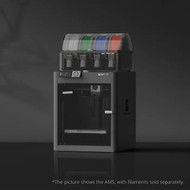
For those running automated feeding hardware like the Automatic Material System, keeping the internal desiccant pockets fresh is paramount. These internal compartments are designed to maintain a pristine environment during multi day print jobs, but the desiccant material must be checked monthly during wet winter periods. Replacing or regenerating saturated silica beads ensures the feeding system remains dry and friction free.
Maintaining Consistency Year Round
Investing time into material maintenance pays massive dividends in reliability and consistency. By implementing a straightforward drying routine and relying on secure, sealed storage containers, local operators can eliminate the single largest variable in print failures. Protecting your materials from ambient humidity ensures your advanced desktop workspace delivers crisp details and strong components through every season of the year.